A beehive is a book and each comb is a page in the book
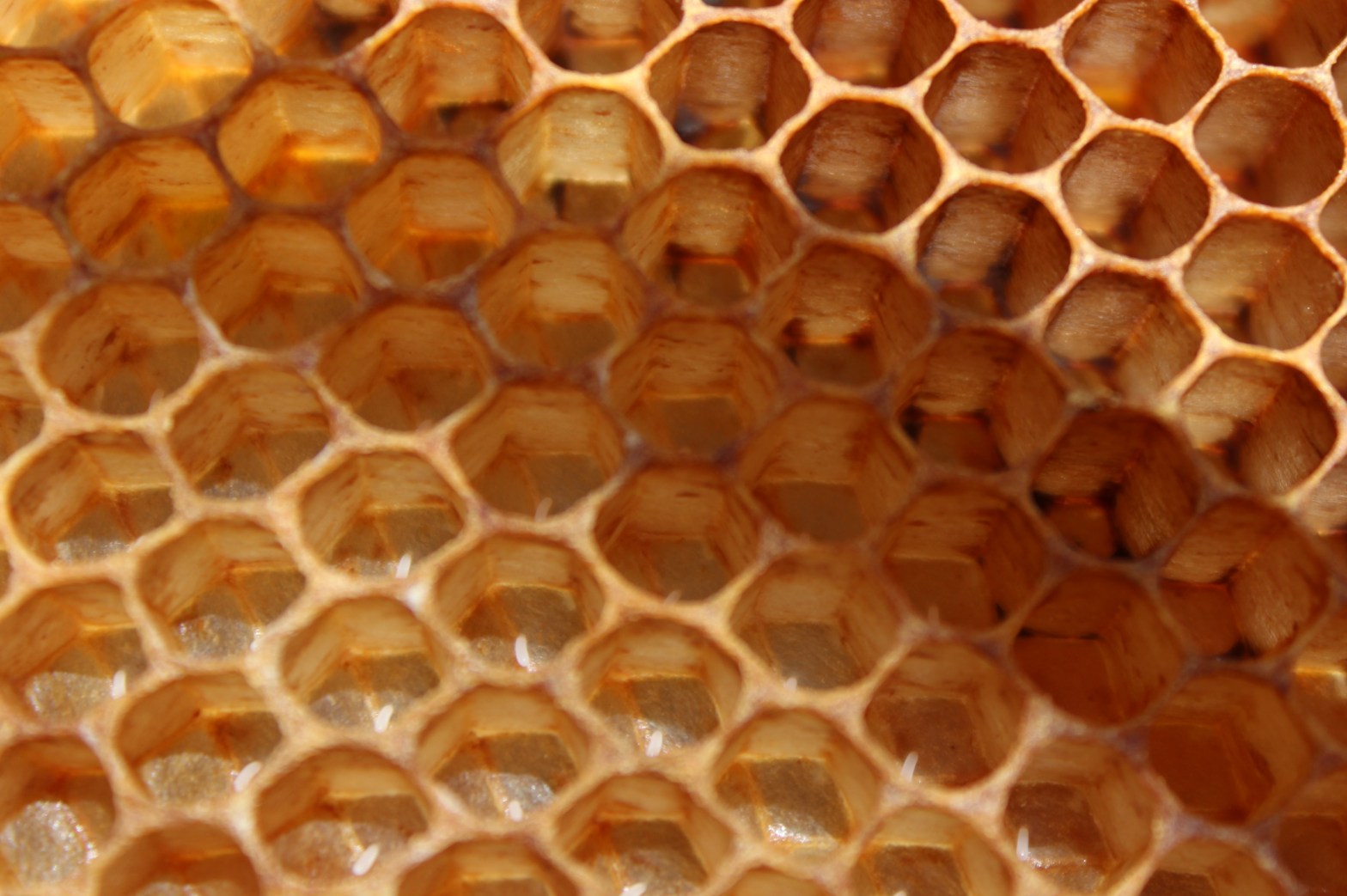
Once I gained a basic understanding of the Italian honeybee, I was ready to read the hives. My beekeeping instructor Kwao explained that a beehive is a book and each comb is a page in the book. We must read each page to understand the book. A literate beekeeper applies what they learned from books and experiences to identify the state of the hive. For instance, I learned to identify the age of the comb based on color (an old comb is darker, and a young comb is lighter). The age of the comb signals important information about the health and resiliency of the colony. Another example of reading the hive is assessing the status of the queen bee. It is difficult to spot the queen in a hive with tens of thousands of bees. I learned that freshly laid larvae is indicative that the queen was there at least three days prior. However, a greater assessment of the queen bee’s status is egg identification. I trained my eyes to spot bee eggs at the bottom of the comb, which tells us that the queen is present and laying eggs. These are a few examples of how I gained literacy as a beekeeper to gauge the health of the hive. I applied what I recently learned about Italian honeybee biology to determine the state of the hive.

